Sistemas de Controle
Controladores habilitados por IoT com monitoramento em nuvem, programação com base meteorológica e otimização de energia orientada por IA.
Produtos nesta categoria
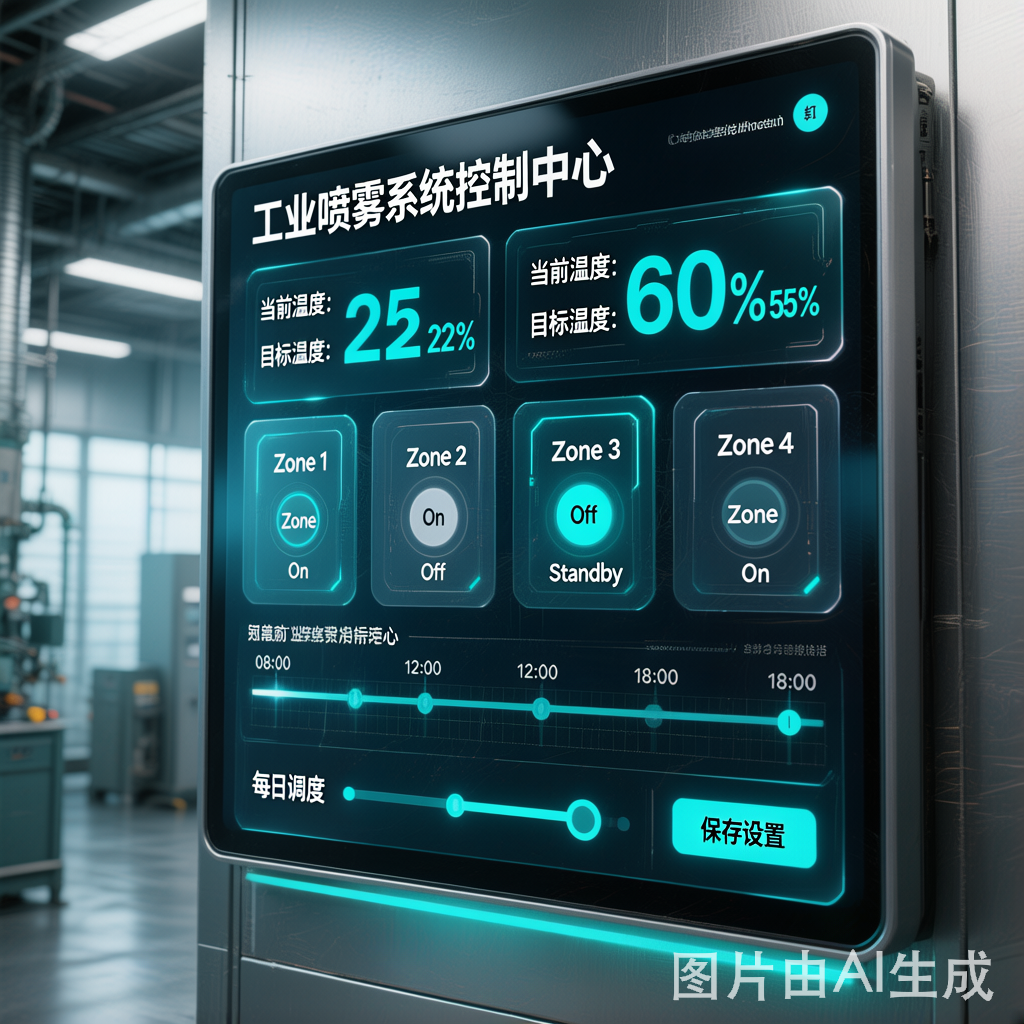
Choosing a Controller
The controller decides how much water the system uses and how much of the time it is doing something useful. Four questions separate the options, and the cheapest unit is rarely the cheapest system.
- Scheduled or weather-driven
- A timer runs regardless of conditions; a weather-driven controller reads temperature and humidity and skips cycles that would do nothing. In a variable climate the second pays for itself in water alone.
- Zone count and independence
- A terrace and a loading dock rarely want the same schedule. Count the zones you actually need to control separately before comparing prices, because zone count drives the unit cost more than any other spec.
- Connectivity you can actually use
- Cloud monitoring is only worth paying for if someone looks at it. Ask whether alarms reach a phone, and whether the controller keeps running its schedule when the connection drops.
- Sensor inputs
- Wind, rain and temperature inputs let the system protect itself. An anemometer that stops the pump in high wind is cheaper than replacing nozzles after a storm.
- What to specify
- Zone count, supply voltage, IP rating, alarm delivery and the fallback behaviour on network loss. Those five lines in a specification prevent most of the integration problems we see.