Pump Stations
Industrial-grade 150-bar pump units with VFD motor control. The heart of every 100Cooling system.
Products in this category
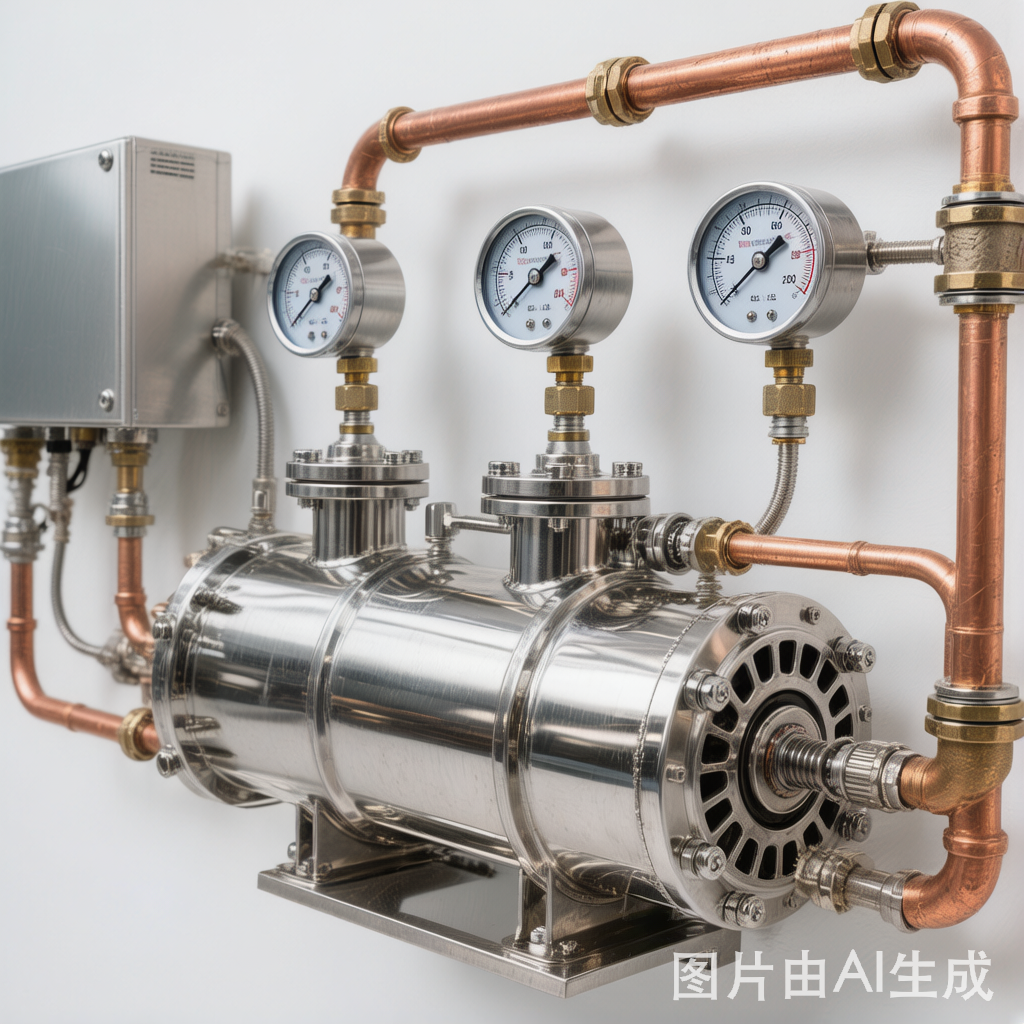
Specifying a Pump Station
The pump is the part of the system that decides whether the nozzles perform as specified. Three numbers define it, and they interact — changing one usually moves the other two.
- Pressure at the nozzle, not at the pump
- Friction loss through pipe and fittings eats pressure between the pump and the last nozzle. A 150-bar unit on a long run may deliver far less than 150 bar where it matters, which changes the droplet size.
- Flow rate and nozzle count
- Each nozzle consumes a fixed flow at a given pressure. Multiply by the count to get the minimum pump flow, then add margin for fouling and for future zones rather than running the pump at its limit.
- Duty cycle and heat
- A pump rated for intermittent use will not survive a twelve-hour cooling day in a hot enclosure. Continuous duty and adequate ventilation are worth more than a higher peak pressure.
- Water quality and filtration
- Hard water scales the ceramic orifice, and scale changes the spray pattern before it blocks it. Specify the filtration stage against the actual water analysis, not against a generic recommendation.
- Service access
- Seals and valves are consumables. A station installed where a technician cannot reach the manifold will be serviced late, and late service is what turns a rebuild into a replacement.